
When Congo Wore the Leopard
More Than a Suit. A Nation's Story Worn with Pride. At the 2026 FIFA World Cup, the Congolese Leopards did more than play football. They told the story of a nation through fashion.
More Than a Suit. A Nation's Story Worn with Pride.
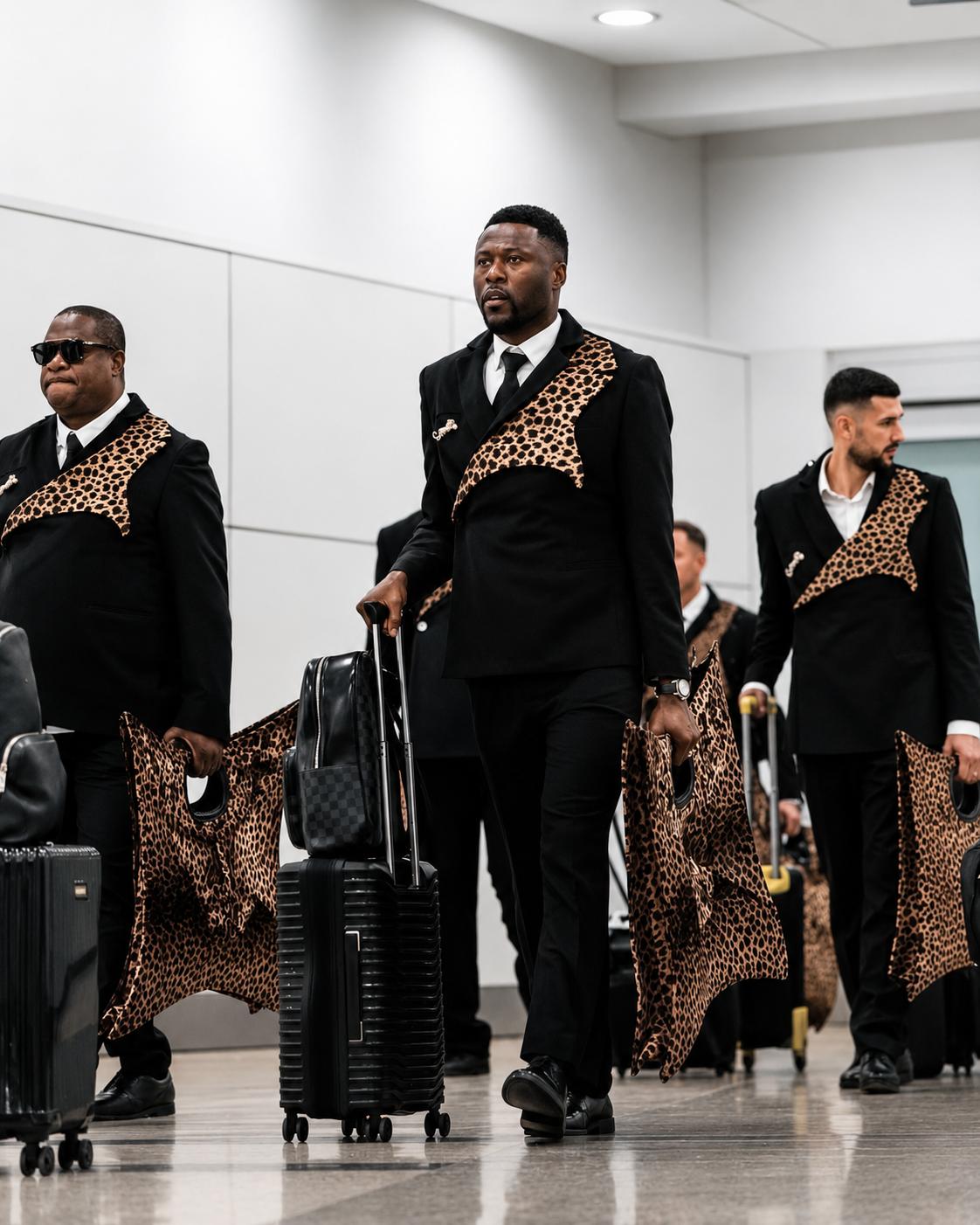
At the 2026 FIFA World Cup, the Congolese Leopards did more than play football. They told the story of a nation through fashion.
As the players arrived in custom-tailored suits inspired by the leopard, the world took notice. Fashion critics praised the craftsmanship. Fans admired the confidence. But for Congolese people, the message ran much deeper.
The leopard is not simply an animal. It is one of the oldest and most enduring symbols of the Democratic Republic of the Congo. It represents strength in adversity, courage in the face of challenges, resilience through every season, honor, dignity, and national identity.
Every leopard-print detail on the suits reminded the world that Congo carries a rich cultural heritage worthy of celebration.
For generations, the Congolese people have been known for expressing themselves through fashion. From the vibrant spirit of La Sape to contemporary African designers redefining luxury, fashion in Congo has never been just about clothing, it has always been about confidence, creativity, and identity.
The Leopards' World Cup wardrobe honored that legacy.
Each suit reflected precision, elegance, and excellence. It challenged the world's perception of Congo, presenting a nation rich in talent, artistry, and vision. Rather than allowing others to define their story, the players wore their history, culture, and pride on their shoulders.
The leopard became more than a symbol on a jersey.
It became a statement.
A reminder that Congolese people are strong without being arrogant, resilient without losing hope, and proud without forgetting where they came from.
Fashion has the power to communicate before a single word is spoken. Long before the opening whistle, the Leopards had already won the world's attention—not only because of how they looked, but because of what they represented.
As the world applauded their style, Congo quietly reminded everyone of an important truth:
Our identity is not defined by our struggles.
It is defined by our strength.
The leopard still walks with dignity.
And so does Congo.
At the 2026 FIFA World Cup, the Congolese Leopards did more than play football. They told the story of a nation through fashion.
As the players arrived in custom-tailored suits inspired by the leopard, the world took notice. Fashion critics praised the craftsmanship. Fans admired the confidence. But for Congolese people, the message ran much deeper.
The leopard is not simply an animal. It is one of the oldest and most enduring symbols of the Democratic Republic of the Congo. It represents strength in adversity, courage in the face of challenges, resilience through every season, honor, dignity, and national identity.
Every leopard-print detail on the suits reminded the world that Congo carries a rich cultural heritage worthy of celebration.
For generations, the Congolese people have been known for expressing themselves through fashion. From the vibrant spirit of La Sape to contemporary African designers redefining luxury, fashion in Congo has never been just about clothing, it has always been about confidence, creativity, and identity.
The Leopards' World Cup wardrobe honored that legacy.
Each suit reflected precision, elegance, and excellence. It challenged the world's perception of Congo, presenting a nation rich in talent, artistry, and vision. Rather than allowing others to define their story, the players wore their history, culture, and pride on their shoulders.
The leopard became more than a symbol on a jersey.
It became a statement.
A reminder that Congolese people are strong without being arrogant, resilient without losing hope, and proud without forgetting where they came from.
Fashion has the power to communicate before a single word is spoken. Long before the opening whistle, the Leopards had already won the world's attention—not only because of how they looked, but because of what they represented.
As the world applauded their style, Congo quietly reminded everyone of an important truth:
Our identity is not defined by our struggles.
It is defined by our strength.
The leopard still walks with dignity.
And so does Congo.